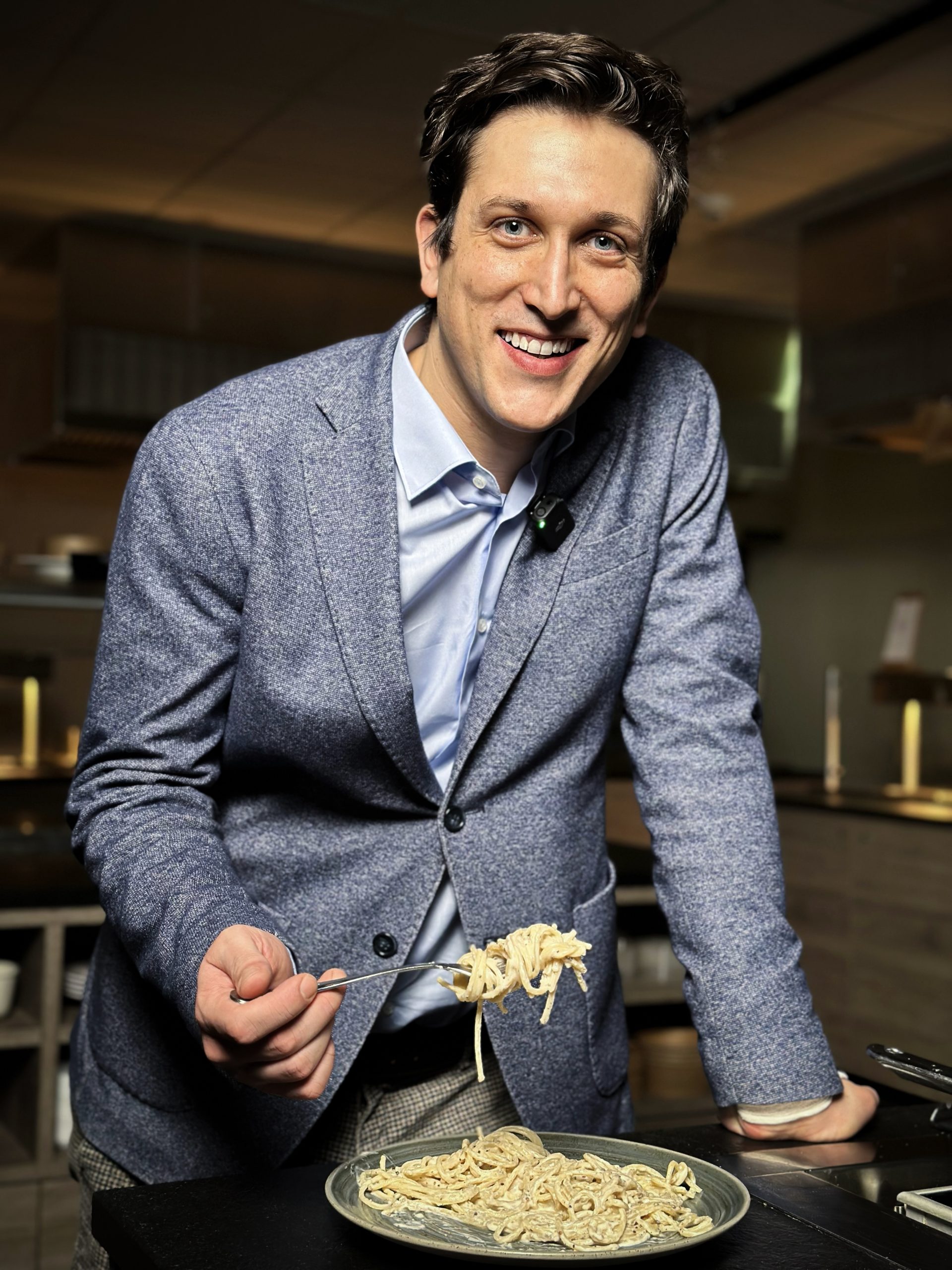
Cacio e Pepe is an Italian specialty that sounds simple but is not so easy to make. ISTA physicist Fabrizio Olmeda and his colleagues have researched the perfect recipe for the right creaminess of this Roman pasta.
Cacio e Pepe is an Italian specialty that sounds simple but is not so easy to make. ISTA physicist Fabrizio Olmeda and his colleagues have researched the perfect recipe for the right creaminess of this Roman pasta.

She is one of the stars of the Vienna Volksoper, has sung at a Formula 1 race track as well as in the Prater Stadium, and gives solo concerts. Juliette Khalil sings where you least expect her to, while remaining remarkably true to herself. As to be encountered at midnight at the Science Ball.

 Mel Merio is a legend, but you wouldn’t know it to look at her. In 2025, this bundle of energy flooded people with ecstasy and got them dancing a whopping 240 times at the DJ booth. She is comfortable with any format: whether in the spacious state rooms of the Hofburg, at the Eistraum in front of City Hall, or every Thursday in the cozy, intimate Loos Bar at Mel’s Salon. And, of course, time and again at the Science Ball. This will also be the case in 2026 with the support of Radio Wien. Her motto? “Let’s dance and celebrate life!”
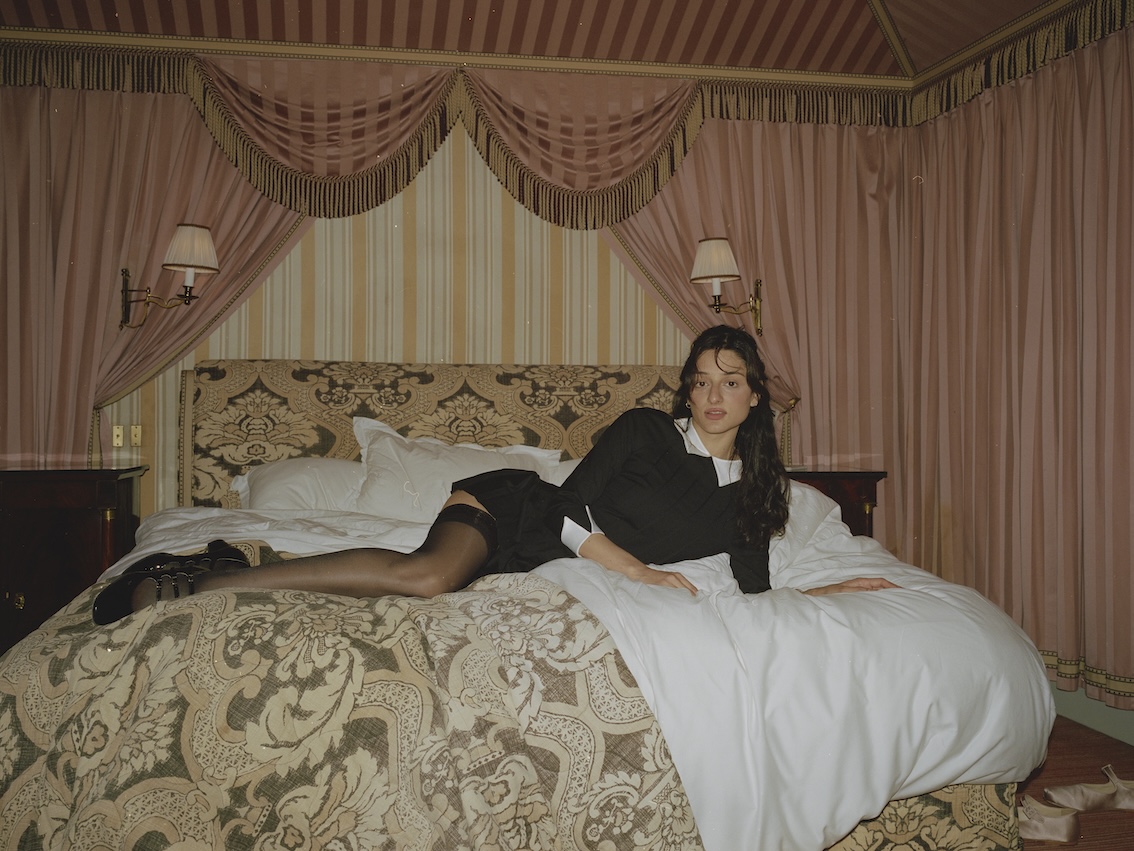
Sofie Royer combines violin, piano, and vocals in her performance at the Science Ball at 1:00 a.m. in the discotheque. How the multi-instrumentalist breaks down barriers in music while remaining true to her roots.
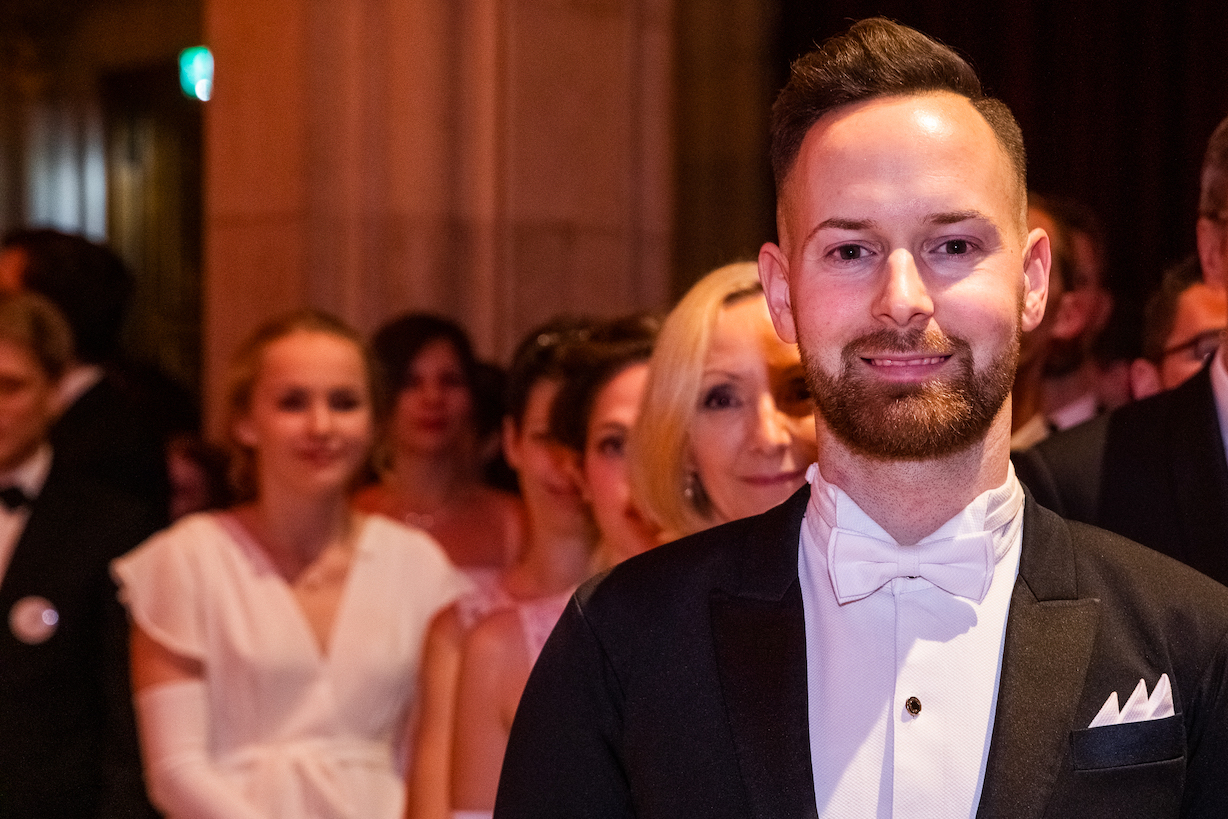
Every year, Florian Vana guides hundreds of couples through what may be the first quadrille of their lives. But this professional dancer has a background in biology. And so, not only dance but also science is very important to him. Continue reading Dancing – a science in itself
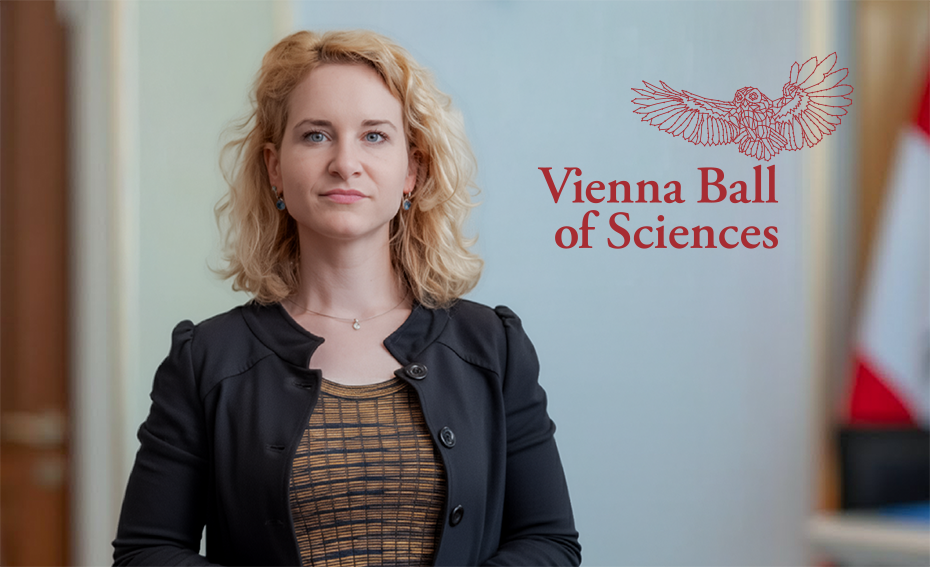
When democracies falter, universities and researchers are often the first targets. Those who demand conformity fear those who ask critical questions. Conversely, this means that strong, resilient democracies need science. And also: science needs a democratic environment to flourish. Democracy and science are based on the same fundamental values: evidence, openness, dissent, and the capacity to learn. Continue reading Eva-Maria Holzleitner: Democracy and science

We want you to feel comfortable at the Science Ball. Guests, staff, and artists will be treated with respect, kindness, and consideration. Discrimination or harassment of any kind will not be tolerated.
 If you or others find yourselves in an unpleasant or unsafe situation, please do not hesitate to contact our security team, who are trained to deal with such situations. The team members from Safety Concepts wear black suits with black shirts and are identified by the company logo.
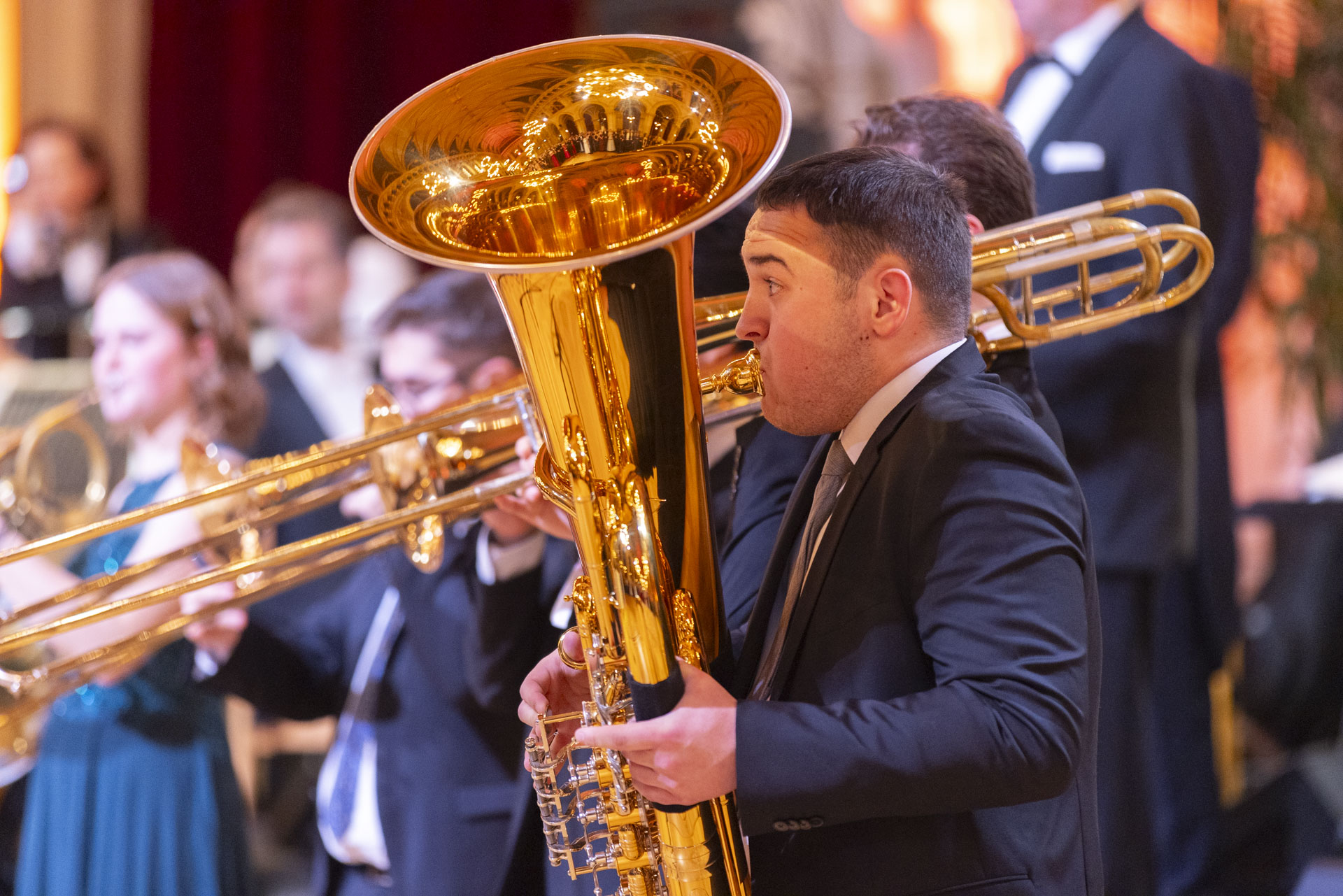 The impetus comes unspectacularly via email: a university-wide call for submissions for the composition of a fanfare. The short form of two to three minutes convinces Piero Cinosi. “I thought to myself: Okay, maybe I can actually finish this.” It is precisely this limitation that is decisive. “I usually compose a lot of pieces, but I hardly ever finish any of them,” says the 23-year-old, who completed a bachelor’s and master’s degree in piano in his native Italy before moving to Vienna.
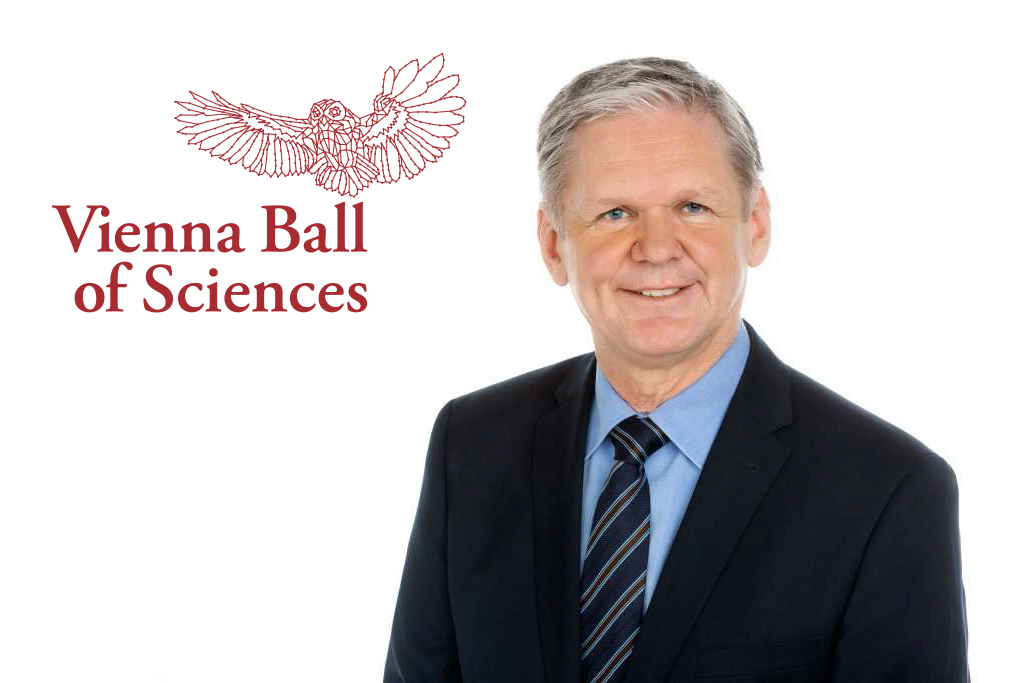
Every time I enter the University of Vienna, I am immersed in an aura that has shaped my life. It was not only at the Alma Mater Rudolphina that I received my academic consecration. There, I was able to get to know a scientific community that has been and continues to be shaped by brilliant minds over the centuries. Through the university, I also got to know and appreciate the city of Vienna—and there was no shortage of partying in student life in the Austrian capital. Continue reading Günther Mayr: Let’s dance and do science
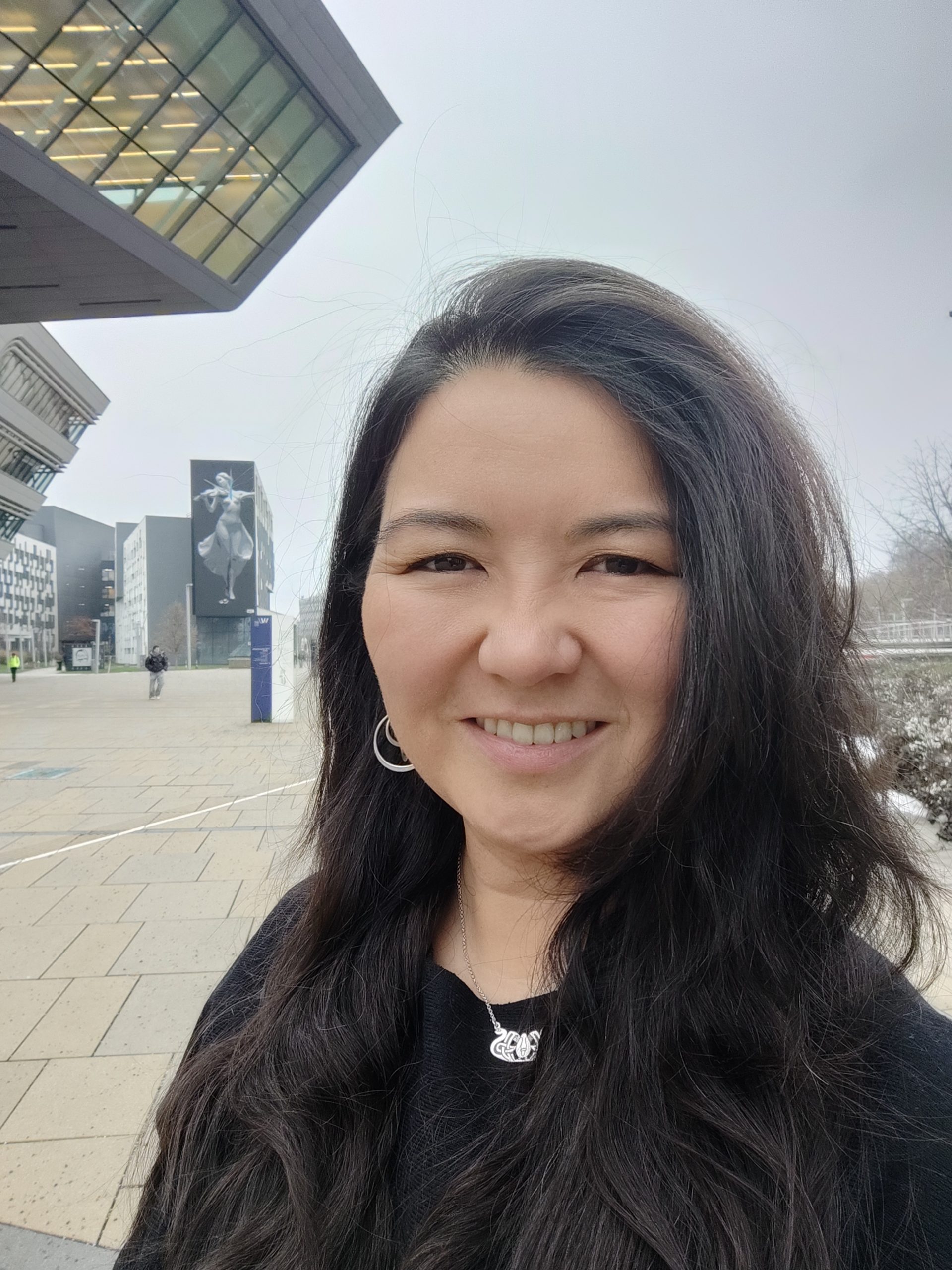
To avoid any misunderstanding: this is fan fiction in the best sense of the word, not a strictly scientific publication with peer review. But the study by Ball regular Miya Komori-Glatz is so charming and insightful that we don’t want to keep it from our audience. Enjoy!
Dr. Miya Komori-Glatz is a Senior Lecturer at the Department of Business Communication, WU Vienna University of Economics and Business. Having completed her first degree at the University of Cambridge, she continued her studies at the University of Vienna. While her main research interests examine the intersection of language, communication, business and higher education, her broader interests include the intersection of Wien, Wein und Walzer. Continue reading How good is the ball really?