
Box office opens doors

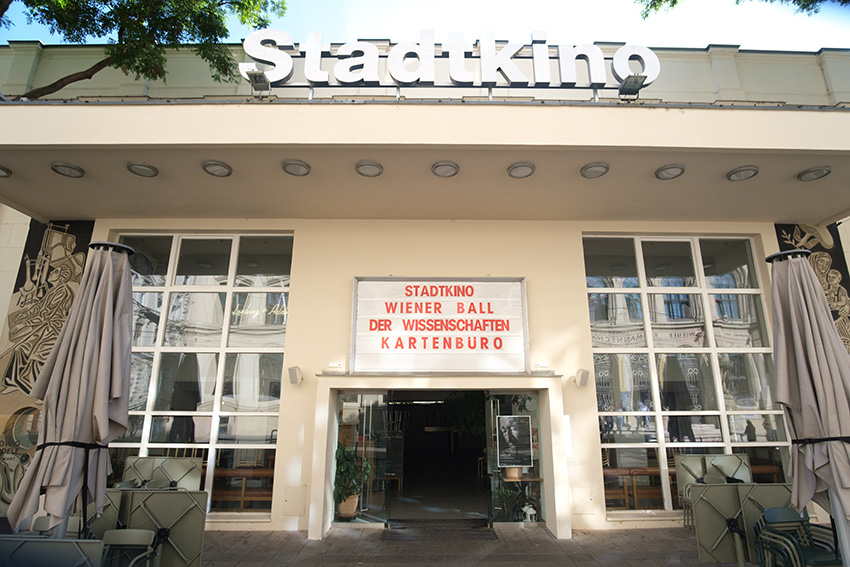
It’s literally a box office hit! Again, this ball season the Stadtkino im Künstlerhaus am Karlsplatz is our host. Thanks to their hospitality we are distributing our ordered- and pre-paid tickets at this well-located address in the inner city centre from Monday, 5 January, to Friday, 23 January, 2026 on workdays and as an exception also on 6 January from 16.00 until 19.00.

The exact address: Stadtkino im Künstlerhaus, 1010 Wien, Akademiestraße 13. You can reach the ticket office via U1, U2, U4; tram lines 1, 2, 62, 71, D; Badner Bahn; bus lines 2A, 4A, 59A.

Photo: R. Ferrigato
Our awareness team

© Franz Reiterer/SciBall

We want you to feel comfortable at the Science Ball. Guests, staff, and artists will be treated with respect, kindness, and consideration. Discrimination or harassment of any kind will not be tolerated.

If you or others find yourselves in an unpleasant or unsafe situation, please do not hesitate to contact our security team, who are trained to deal with such situations. The team members from Safety Concepts wear black suits with black shirts and are identified by the company logo.
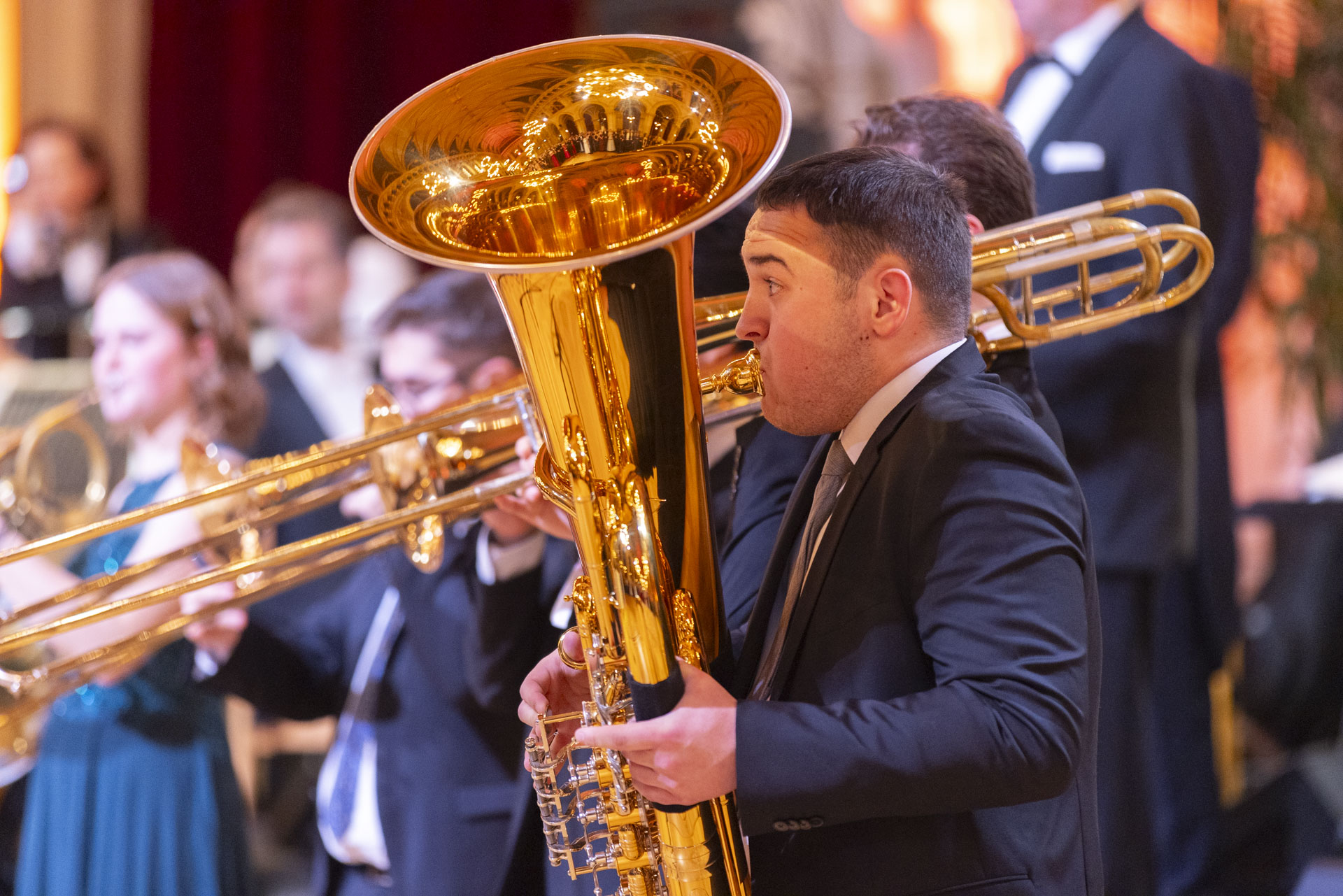
The fanfare from the piano

The impetus comes unspectacularly via email: a university-wide call for submissions for the composition of a fanfare. The short form of two to three minutes convinces Piero Cinosi. “I thought to myself: Okay, maybe I can actually finish this.” It is precisely this limitation that is decisive. “I usually compose a lot of pieces, but I hardly ever finish any of them,” says the 23-year-old, who completed a bachelor’s and master’s degree in piano in his native Italy before moving to Vienna.
Continue reading The fanfare from the piano

Günther Mayr: Let’s dance and do science

© ORF

Every time I enter the University of Vienna, I am immersed in an aura that has shaped my life. It was not only at the Alma Mater Rudolphina that I received my academic consecration. There, I was able to get to know a scientific community that has been and continues to be shaped by brilliant minds over the centuries. Through the university, I also got to know and appreciate the city of Vienna—and there was no shortage of partying in student life in the Austrian capital. Continue reading Günther Mayr: Let’s dance and do science

How good is the ball really?

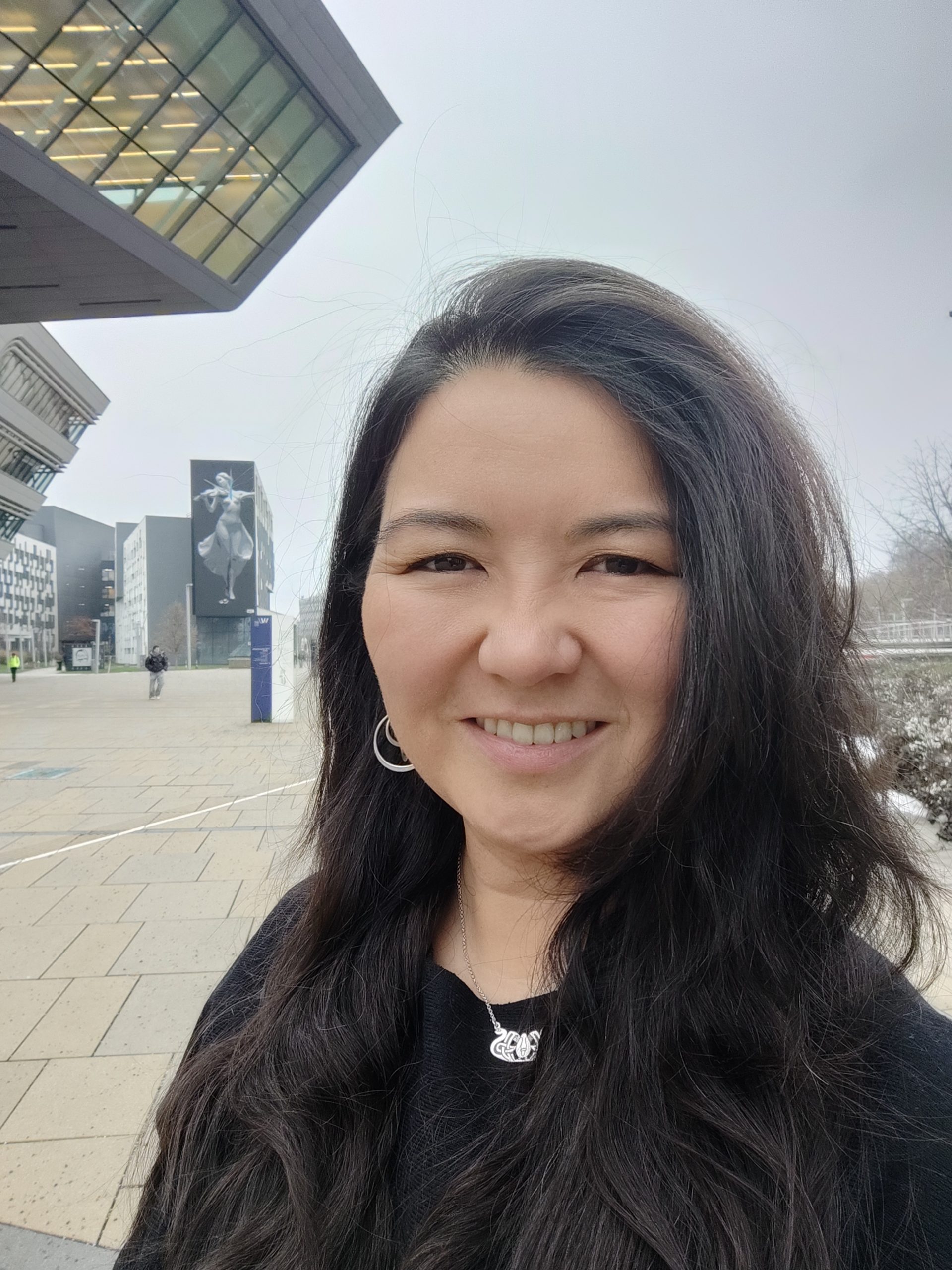
Photo: © Miya Komori

To avoid any misunderstanding: this is fan fiction in the best sense of the word, not a strictly scientific publication with peer review. But the study by Ball regular Miya Komori-Glatz is so charming and insightful that we don’t want to keep it from our audience. Enjoy!

Dr. Miya Komori-Glatz is a Senior Lecturer at the Department of Business Communication, WU Vienna University of Economics and Business. Having completed her first degree at the University of Cambridge, she continued her studies at the University of Vienna. While her main research interests examine the intersection of language, communication, business and higher education, her broader interests include the intersection of Wien, Wein und Walzer. Continue reading How good is the ball really?

Alice Barbora Tumpach: Waltzing with Pauli to Vienna

Alice Barbora Tumpach with WPI Director Norbert Julius Mauser and Fields Medalist Pierre-Louis Lions, January 9, 2026, at the French Embassy on the occasion of the ceremonial signing of the agreements for the fifth extension of the “Institut CNRS Pauli.” / Photo: WPI

My journey takes me from Paris to Lille to Vienna, from pure mathematics to machine learning and biomedicine. I took a leap into the unknown with three children and have no regrets. The Wolfgang Pauli Institute (WPI) was a tireless catalyst and source of support throughout. Continue reading Alice Barbora Tumpach: Waltzing with Pauli to Vienna

Georgia Avarikioti: Communication as ethical responsibility

In our increasingly digital society, much of what we do depends on systems we do not see but constantly rely on. These infrastructures shape our everyday decisions: which services we trust, how we exchange goods, how securely our data is handled, and how and which information reaches us. When such systems are reliable and transparent, they empower citizens, strengthen democracy and our trust in our institutions; when they fail, the consequences ripple far beyond technology. Continue reading Georgia Avarikioti: Communication as ethical responsibility

Francesca Ferlaino: An ultracool laureate

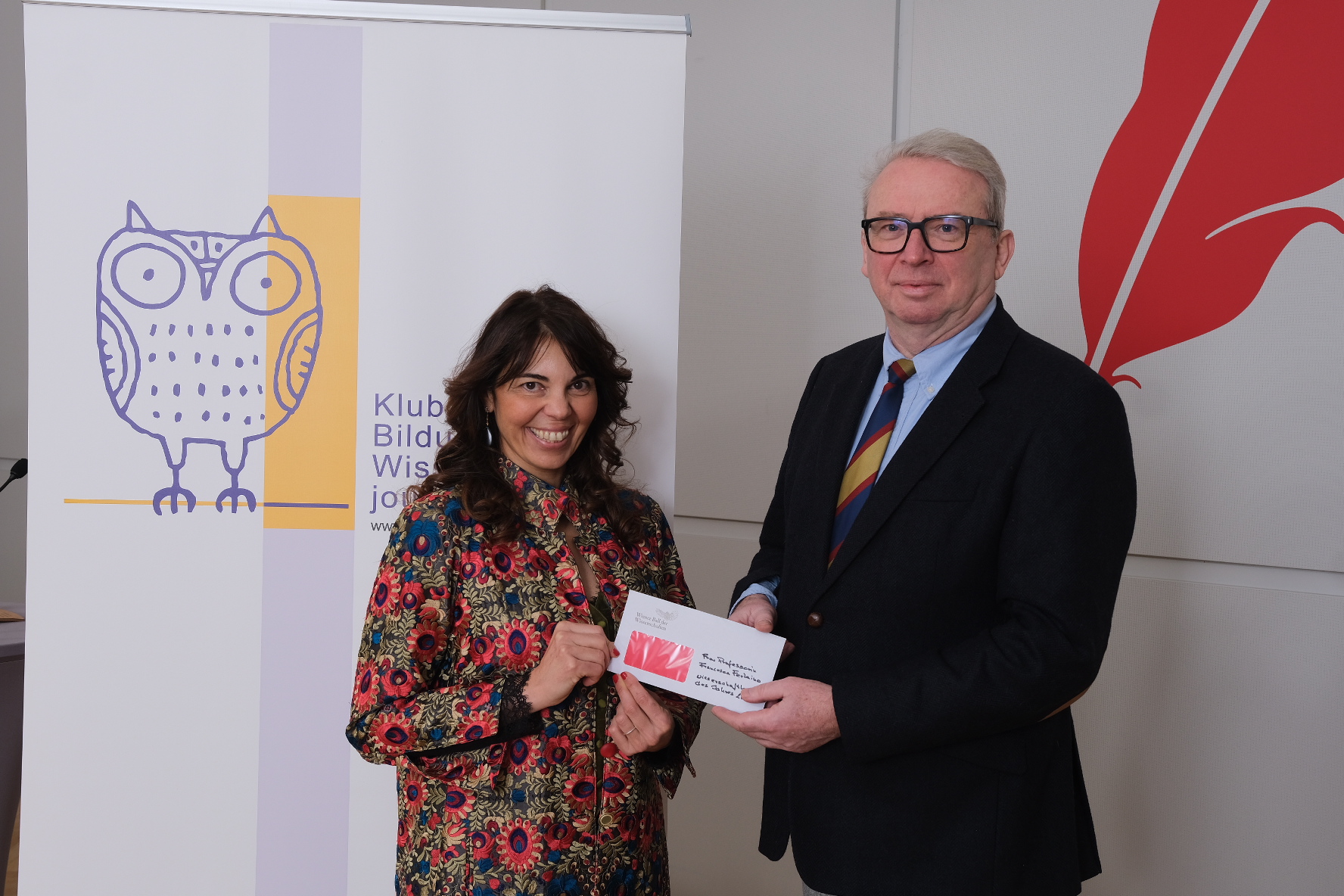
In addition to the award as Scientist of the Year, Francesca Ferlaino was also presented with honorary tickets for the Science Ball by organiser Oliver Lehmann / © R. Ferrigato

The new Scientist of the Year 2025 knows the Science Ball from her own experience. Last year, Francesca Ferlaino was a member of the team of Austrian quantum physicists who presented their QuantA network with a spectacular presentation in the ballrooms. Ultimately, it is this inclination and ability to communicate highly complex concepts in a popular way that earned Ferlaino the award from the Club of Education and Science Journalists, which was presented to her at the Concordia Press Club on January 7 – together with honorary tickets for the ball. Continue reading Francesca Ferlaino: An ultracool laureate