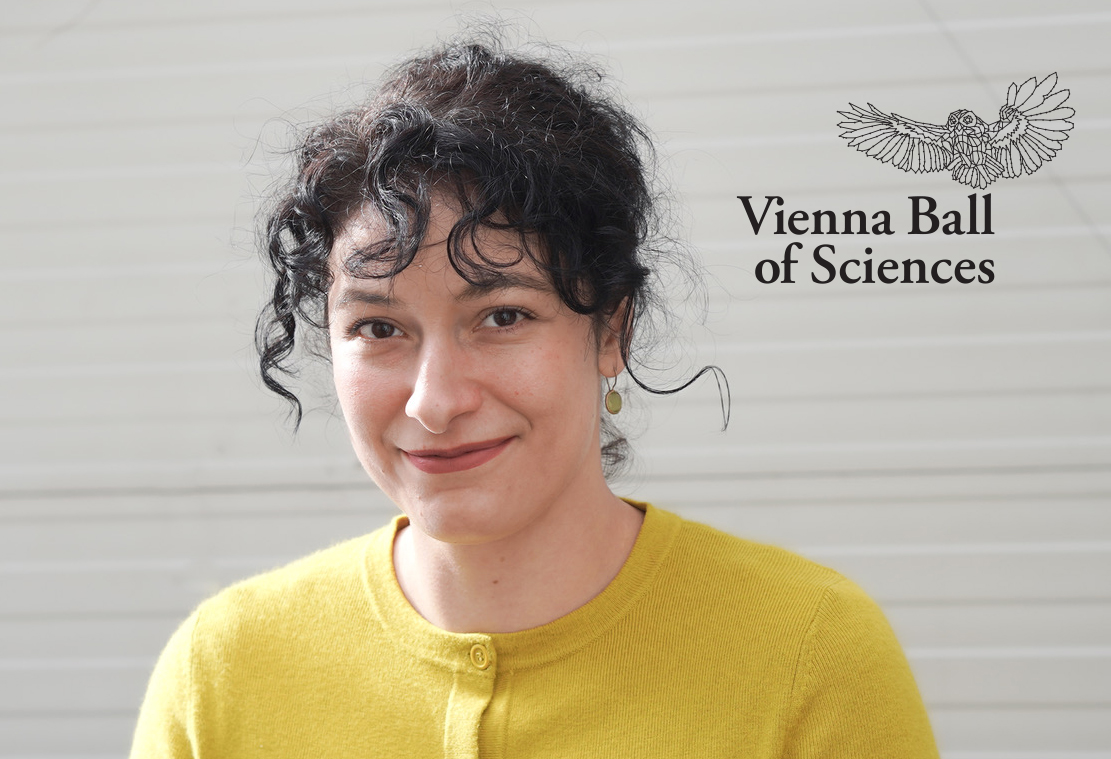
Time and again, people ask me, with expressions of pain or astonishment on their faces, why on earth I studied Latin. “It’s difficult, it’s dead, it’s useless, especially in the job market,” is the consensus.
I am not going to try to counter this sentiment by singing the praises of the genius of Ovid or Virgil, or by explaining how relevant Roman literature and history still are to us today. Not only because they allow us to immerse ourselves in the past, but also because all these texts and their contexts tell us something about ourselves: We read what is currently on our minds into them and out of them. I also will not explain to you how cool Latin grammar, or metrics, or rhetoric are.For example, that the stylistic device is called praeteritio when someone claims they will not mention something, only to mention it anyway – as I am doing here right now.
In other words: During my studies, I learned how to think properly, read, write, research, argue, debate, and fail. I developed perseverance and experienced a whole new level of frustration. I made lifelong friends and am still in touch with my professors today. I regularly meet up with former colleagues, with whom I sometimes discuss the genius of Ovid or Virgil, but mostly share memories of a time that was so formative and wonderful for us. Of course, I sometimes think it would have been more advantageous if my great passion had been law, economics, medicine, or something else that could earn me money. But I have never regretted following my passion and am looking forward to celebrating with others who have done the same at the Vienna Science Ball.
Amira Ben Saoud, born in Waidhofen/Thaya in Lower Austria in 1989, studied classical philology, art history, and comparative literature in Vienna. She was editor-in-chief of the pop culture magazine “The Gap” and culture editor at the daily newspaper “Der Standard”. In 2025, her debut novel Schweben was published by Zsolnay, according to FM4 a “disturbingly good debut”.